When is Las Fallas in Valencia? Fixed dates, event times and what changes each year
Las Fallas runs from 1 to 19 March every year, with the Crida at the end of February and the Cremà on the 19th. Here are the dates of each event in the latest edition, those of the three before it, and what is not yet known about 2027.
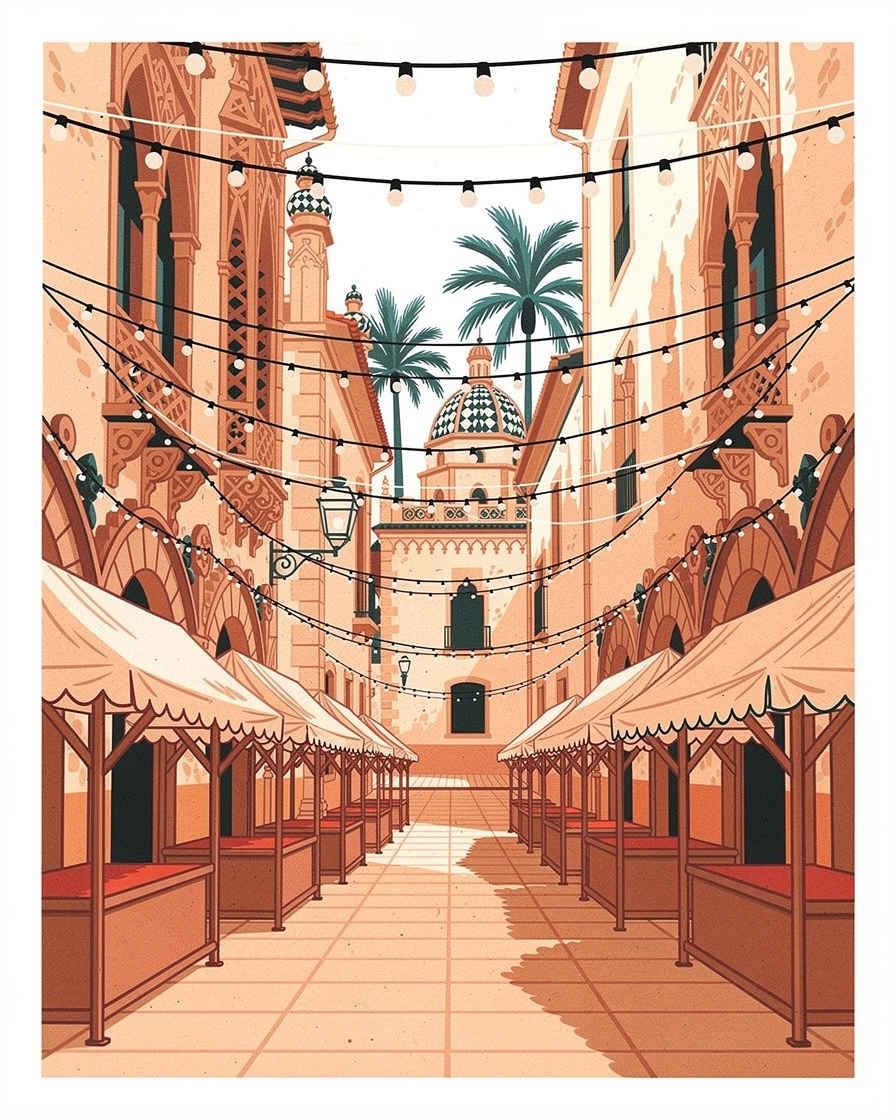
Las Fallas in Valencia runs from 1 to 19 March, every year. The end date never moves because it is Saint Joseph's Day, and the daily mascletà starts on the 1st. What changes from one year to the next is the detail: the Sunday of the Crida, the time of some events, and exceptions that only a disaster explains.
This page gives the dates of each event in the latest published edition, those of the three before it to show the pattern, and says plainly what does not yet exist for 2027. Enough, in short, to book your flights and your room.
When is Las Fallas in Valencia in 2027?
There is no official programme. The Junta Central Fallera published the 2026 one in December 2025, and the media broke it down between February and March. Any 2027 calendar circulating before that point is an extrapolation.
The extrapolation is reliable on the big picture. The last three editions kept the mascletàs from 1 to 19 March, the main week from 15 to 19 March and the Cremà on the 19th.
The Crida falls on the last Sunday of February: 22 February 2026. 2024 was the exception, postponed to 3 March 2024 because of the Campanar fire.
What cannot be extrapolated are the minor times and any added events. When the programme comes out, this page will be updated from the data table, not by rewriting the text.
What day is each event?
Dates and times from 2026, the latest complete edition. The sources agree on everything important; where they do not, we point it out.
| Event | Date and time in 2026 |
|---|---|
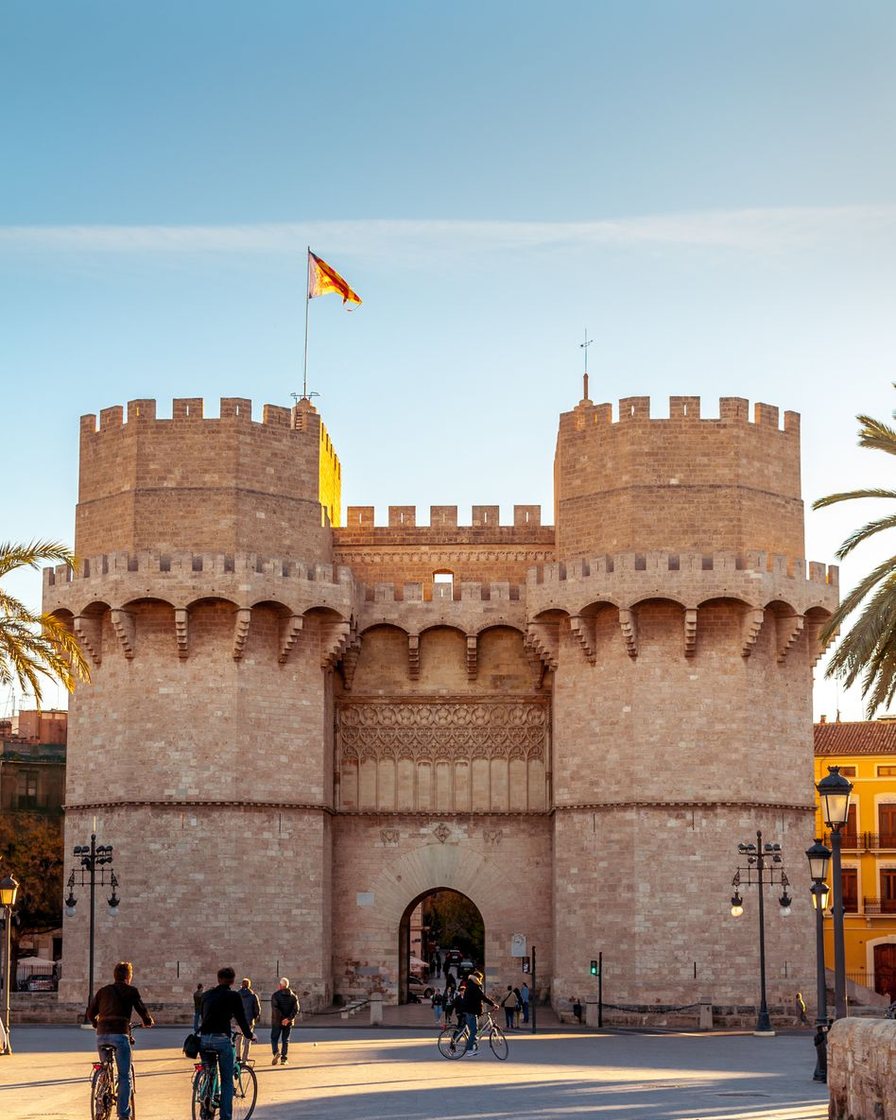
| Crida, Torres de Serranos | 22 February 2026 |
| Children's despertà and macrodespertà | the same Sunday, at 7:00 and 7:30 |
| Cabalgata del Ninot | 28 February 2026 |
| Mascletà, Plaza del Ayuntamiento | From 1 to 19 March, at 2pm |
| Children's plantà | 15 March, around 9:00 |
| Main plantà | 16 March, around 8:00 |
| Ofrenda to the Virgin | 17 and 18 March, from 15:30 |
| Nit del Foc | 18 March at 23:59 |
| Cabalgata del Fuego | 19 March at 19:30 |
| Cremà | 19 March: children's at 8pm, main ones at 10pm |
The discrepancy that causes most confusion is the "start". ElDiario.es ran a headline saying the Fallas 2026 "kick off on Sunday 15 March"; Visit Valencia and the Junta Central Fallera count from the Crida. Both are right depending on what they call the Fallas: the main week or the whole cycle.
The other is the time of the Cremà. Visit Valencia gives 10pm for the main fallas, with the city council's falla and the Sección Especial first prize later; OkDiario writes "between 20:00 and 23:00". In practice, each committee burns its falla when the fire brigade reaches it.
When were the last three editions?
The pattern shows when you look back. In 2025 the city council closed its review of the festival on 20 March, with the cycle over on the 19th.
In 2024 the official programme ran from 1 to 19 March, with the Crida postponed to 3 March 2024. For 2023 we do not have a detailed programme, but we do have the incident review that proves it took place on the same dates.
| Edition | Period | Security incidents (local police) |
|---|---|---|
| 2023 | 1 to 19 March | 20,236 |
| 2024 | 1 to 19 March, Crida on the 3rd | 19,371 |
| 2025 | 1 to 19 March | 19,031 |
| 2026 | 1 to 19 March, Crida on 22 February | not published in our sources |
For 2025 there are two more figures that show the scale of the festival: the regional broadcaster À Punt aired 60 hours of live coverage followed by 1.8 million people, 34.4% of the Valencian population. That is audience, not attendance: nobody publishes the number of actual visitors, year by year, with a stated method.
Where does Las Fallas take place?
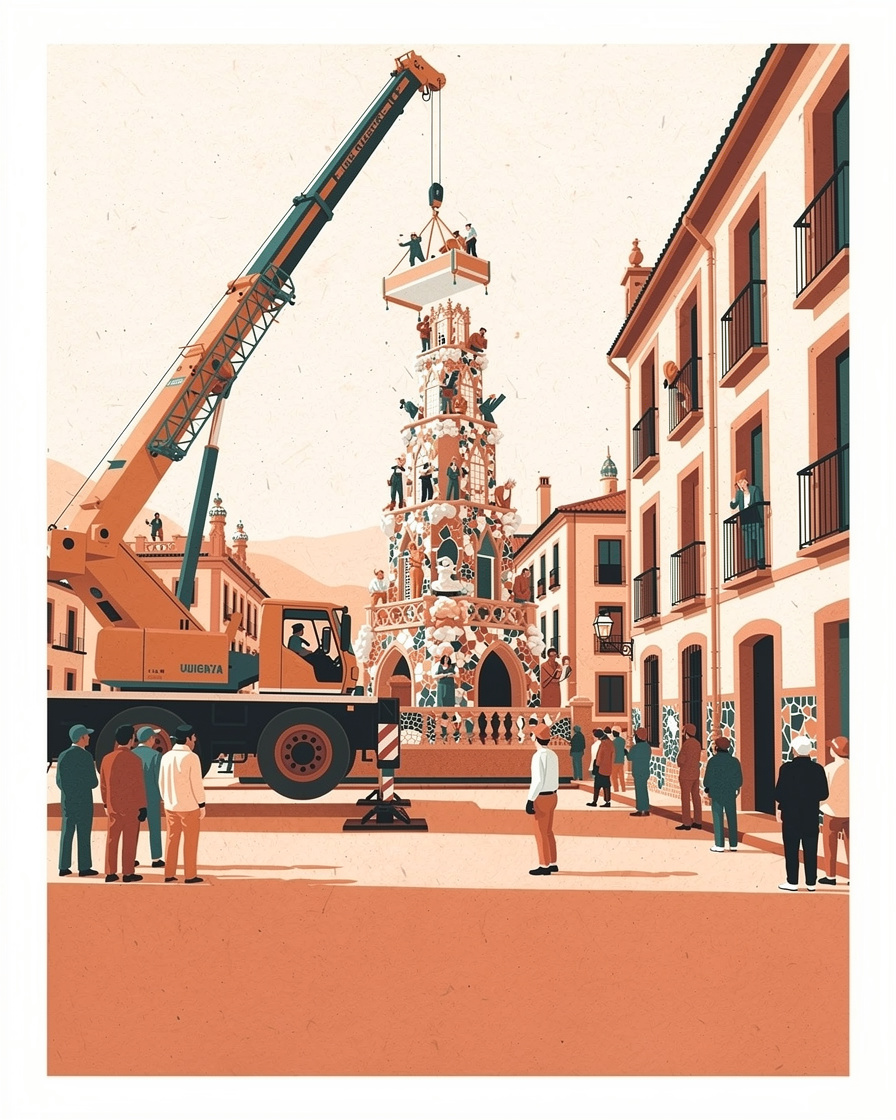
All over the city. There are around 700 monuments according to the city council in 2024, around 750 main and children's fallas according to elDiario.es in 2026, and no single venue. The official events do have fixed locations.
- Plaza del Ayuntamiento: the daily mascletà, fireworks and the city council's falla.
- Torres de Serranos: the Crida, with the Fallera Mayor at the top of the tower.
- Plaza de la Virgen: the arrival of the Ofrenda, via Calle de la Paz and Calle San Vicente.
- Old Turia riverbed, by the Monteolivete bridge: the Nit del Foc and the fireworks.
- Neighbourhoods with Sección Especial fallas: Convento Jerusalén by the station, Na Jordana in El Carmen, Exposición near Mestalla, Nou Campanar.
The distances between these points are not trivial when the city is full: from the city hall to the Monteolivete bridge is 1.5 to 2 km, some 30 to 40 minutes on foot in the main week. The Valencia neighbourhood map puts them to scale.
Which days are best to come, and which should you avoid?
It depends on what you want. To see the monuments complete, only from 16 to 19 March will do: before that they are half-built, afterwards they are ashes. In 2026 you could also go inside the barriers of the Sección Especial fallas on those same dates.
To see mascletàs with a square that is full but still passable, the first fortnight. To sleep, any date before the 15th: the LUCA Tourism report counts 946,400 people present in the city on the 16th, and a three-star hotel goes from €100 to €160 early in the month to €250 to €500 from the 17th to the 19th, on the 2026 ranges.
The nights to avoid if you want to get around: the 18th (Nit del Foc) and the 19th (Cremà). The hours to avoid every day: 13:00 to 15:00 around Plaza del Ayuntamiento, when the metro closes the central stations from roughly 12:30 to 14:30.
If the monuments are your priority, the dates that matter are from 16 to 19 March: they are the only days with the fallas complete in the street. In 2026 a three-star hotel cost €250 to €500 on those nights against €60 to €100 in low season. See what is left for the next main week.
See hotels from 17 to 20 March →Affiliate link: booking through it supports the site at no extra cost to you.If you prefer the first fortnight, with a daily mascletà and prices of €100 to €160, choosing dates is just as easy.
The first fortnight of March has a mascletà at 14:00 every day and half-price hotels: you see the city setting up the festival, with the workshops open and the square full but passable. Check dates in early March.
See hotels in early March →Affiliate link: booking through it supports the site at no extra cost to you.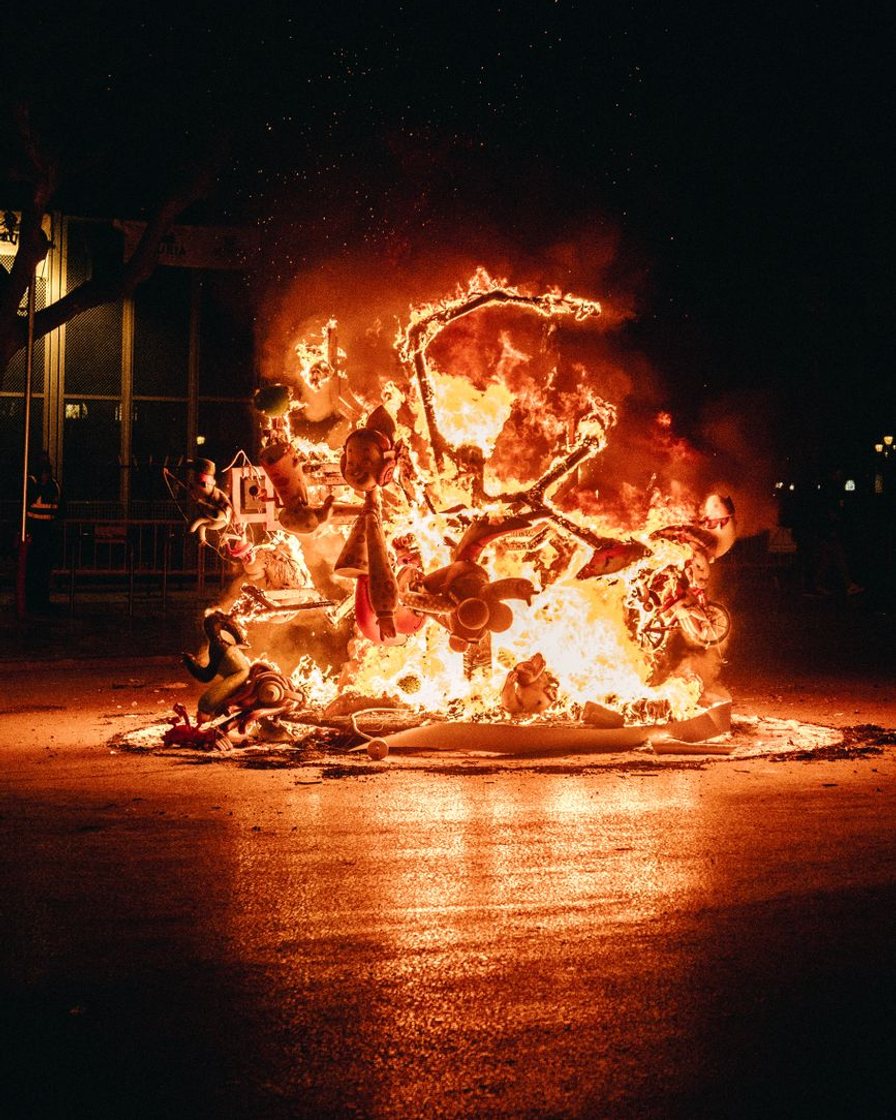
Three things no source gives
Three things you will not find in any source, and so will not find invented here. The official 2027 programme, until the Junta Central Fallera publishes it. The number of visitors at each edition with a stated method: there are figures, they contradict each other, and we set them out in the figures for the Fallas 2026.
And an official table of street closures day by day. It exists in the local police plans, not in the leaflets.
For transport and parking on those days, the guide to parking in Valencia covers the ORA suspension from 9:00 on 9 March to 9:00 on 20 March and the closure of the centre. And to find out what each event is, see the Fallas festival explained.
Sources
Junta Central Fallera, Official Programme of the Fallas 2026 (published in December 2025). Visit Valencia, Fallas pages and 2026 calendar. Idealista, 5 March 2026; Hello Valencia, 3 March 2026; OkDiario, 26 February 2026; Antena 3, 4 March 2026; elDiario.es, 2026. ABC, 27 February 2024, for the postponed Crida.
Valencia City Council, local police and fire brigade review, 20 March 2025, and 2024 economic impact note. València Diari, 21 March 2025, for the À Punt audience. LUCA Tourism report for the city council, 2026. Wikipedia, "Falles" article, for the general background. 2026 accommodation guides for the price ranges.
Frequently asked questions
When is Las Fallas in Valencia in 2027?
What day are the fallas burned?
What is the main week of the Fallas?
What time is the mascletà?
Neus Ferrer
Neus has belonged to a falla commission since the age of eight and has seen twenty monuments go up. She knows which streets are closed from the day before and at what time the mascletà can no longer be heard from the centre. She does not recommend a spot where she has not stood for hours.