What to see in Valencia: the old town, the City of Arts and Sciences and the Fallas, with times and prices
The three blocks of sights in Valencia, how long each stop really takes, what it costs with its year, what is overrated and the prices that contradict each other between the official shop and the guides.
Valencia's sights fall into three blocks: the old town, the City of Arts and Sciences, and the Fallas, in the street in March or in their two museums the rest of the year. Almost every "what to see" list reels off the same fifteen names without saying how long each takes or what it costs.
This page does it the other way round: real times including queues, prices with their year and source, and the cases where the official shop and the guides disagree. What we do not know is written down too.
The old town in a morning, stop by stop
The classic route is done on foot, within a radius of 800 to 1,500 metres. The times in the table include waiting and photos; walking between stops takes 5 to 15 minutes each time. In total, three and a half to four hours without a break, and four to four and a half with a coffee.
| Stop | Real time | Useful to know |
|---|---|---|
| Plaza del Ayuntamiento | 20 to 30 min | in March, mascletà at 2pm |
| Plaza de la Virgen | 20 to 30 min | arrival of the Ofrenda on 17 and 18 March |
| Cathedral and Micalet | 60 to 95 min | the bell tower queue is the one that grows fastest |
| Plaza de la Reina and Plaza Redonda | 30 to 50 min | |
| Mercado Central | 40 to 60 min | 7:30 to 15:00, closed on Sundays, 2020 data |
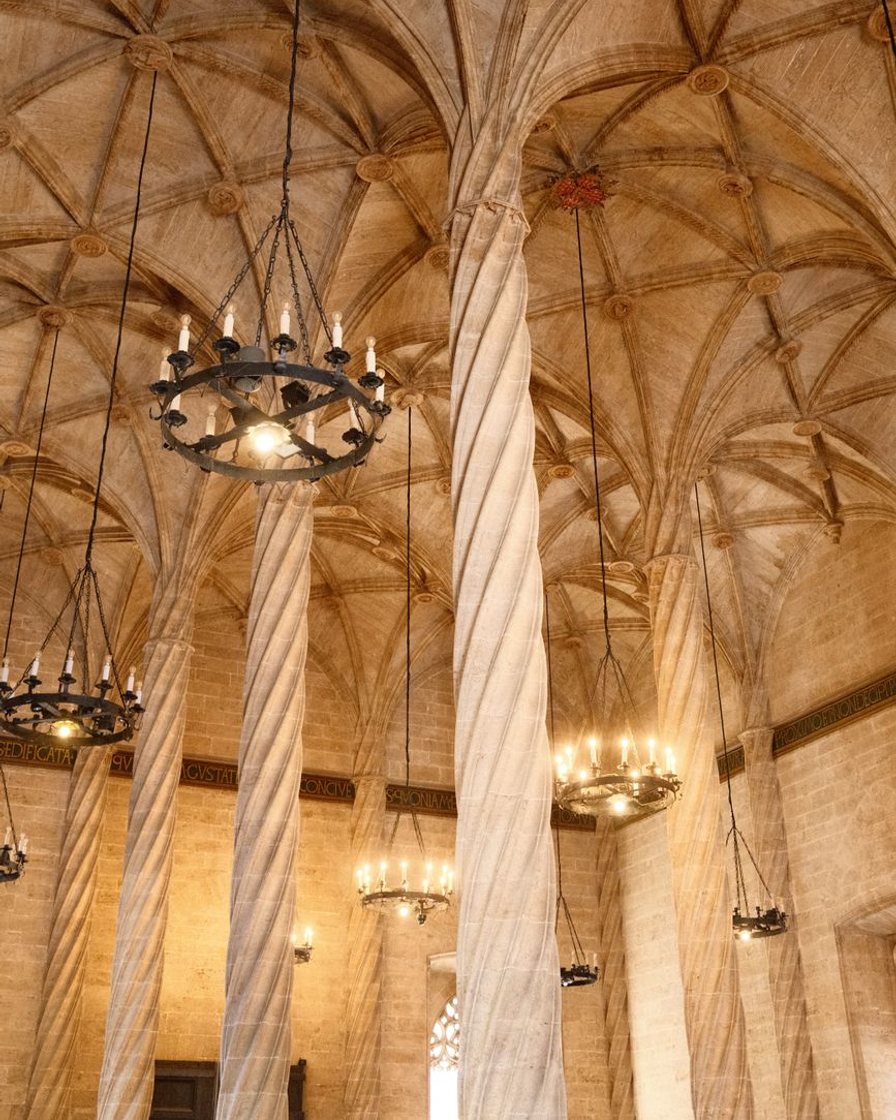
| Lonja de la Seda | 30 to 45 min | opposite the market |
| San Nicolás | 30 to 45 min | often a queue, as at the cathedral |
| Torres de Serranos | 20 to 35 min | 9:30 to 19:00 Monday to Saturday and 9:30 to 15:00 on Sundays, 2020 data |
Two of the opening times in the table come from a 2020 blog and we have found nothing more recent to confirm or refute them. We give them with their year so they can be checked, not so they can be taken as read. The Mercado Central being closed on Sundays is the most common mistake in weekend itineraries.
Is the City of Arts and Sciences worth it?
The outside is free and spectacular. The inside costs money, and this is where the problems begin: prices change with the season and the sales channel, and the sources do not agree.
| Venue | Price | Year | Real time |
|---|---|---|---|
| Oceanogràfic | €31.90 to €34 | 2026 | At least 4 hours according to Visit Valencia |
| Oceanogràfic, for comparison | €30.70 full price and €22.90 reduced | 2024 | |
| Museu de les Ciències | €8 to €9.90 | 2026 | 2 to 3 hours |
| Hemisfèric | €8 to €12 per screening | 2026 | 60 to 90 minutes per screening |
| Combined ticket for all three, according to the guides | €47.75 and up | 2026 | 6 to 7 hours |
| Combined ticket for all three, Visit Valencia shop | €69.98, against a reference price of €81.25 | 2026 | valid up to 3 consecutive days |
The combined ticket has two prices more than €20 apart for the same year. We do not know which one you will pay: it depends on the date and on whether you buy ahead. The same goes for the Valencia Tourist Card, which gives a discount of 10% according to Visit Valencia and 15% according to other 2026 guides.
What is clear is what is worth it and what is not. The Oceanogràfic is expensive and good, as long as you give it the four hours.
The Museu de les Ciències is designed for families with children aged 7 to 13, and an adult in a hurry can skip it. The Hemisfèric disappoints anyone expecting a world-class planetarium: the building can be seen for free from outside.
Opening hours: the museum and the Hemisfèric close at 19:00 in winter and 20:00 the rest of the year, opening at 10:00, according to a 2024 guide. The Oceanogràfic stays open until midnight from mid July and through August.
The City of Arts and Sciences combined ticket has two official prices for the same year, €47.75 and €69.98: the difference lies in the sales channel and how far ahead you buy. Tickets with free cancellation let you lock in the price today and choose the date later. Compare before buying at the ticket office.
See tickets and activities in Valencia →Affiliate link: booking through it supports the site at no extra cost to you.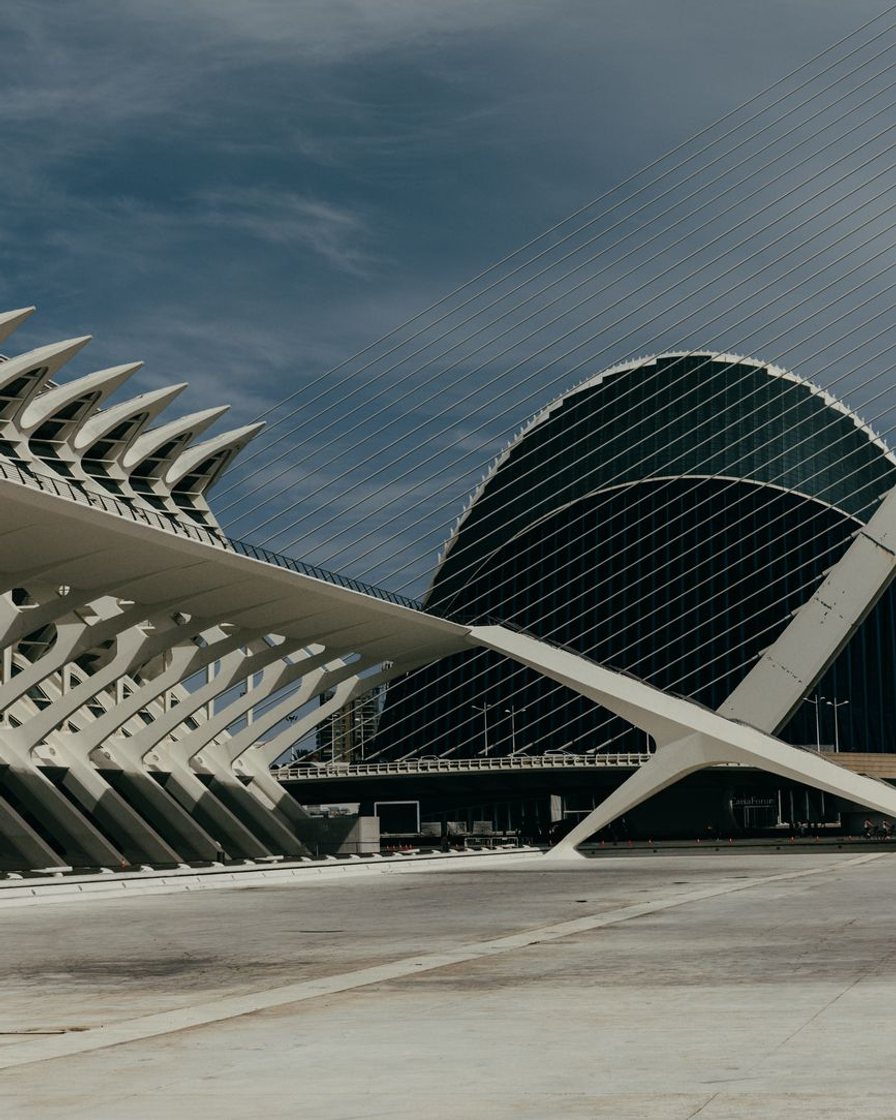
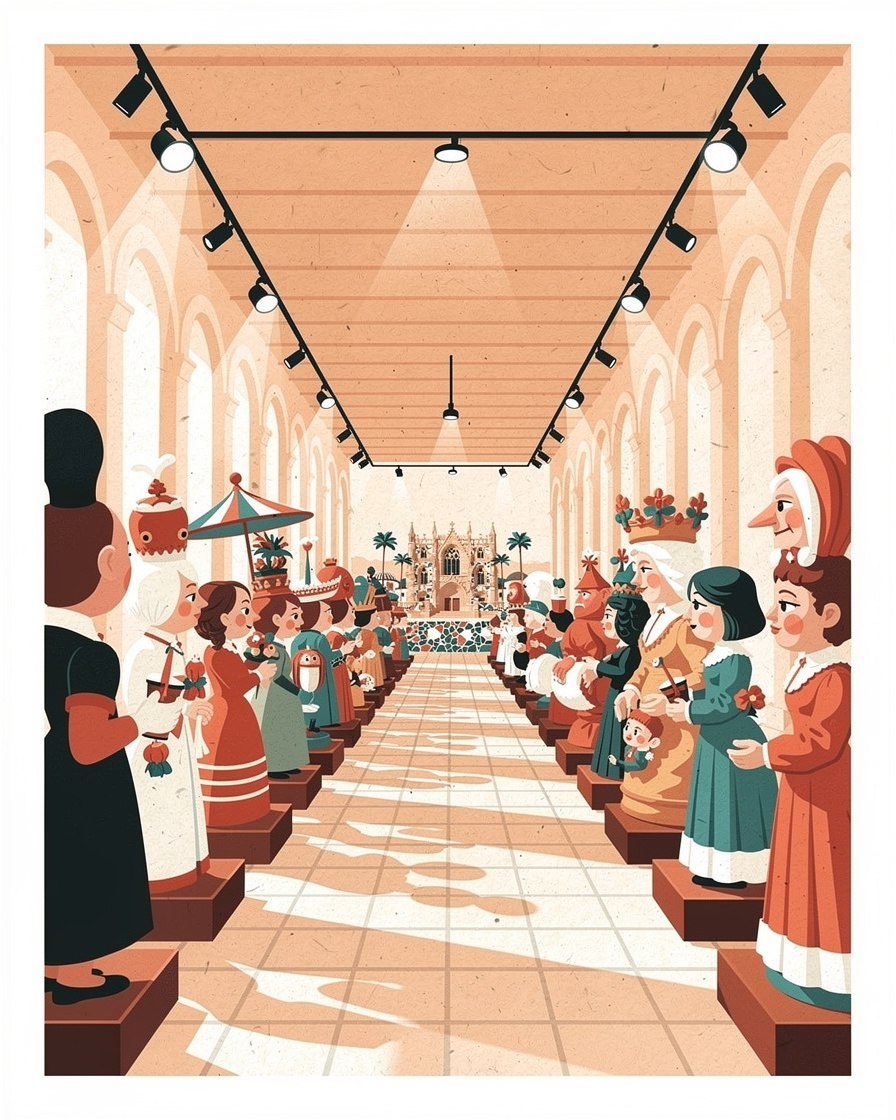
The Fallas outside March: two museums and an exhibition
If you are not coming in March, you can see the Fallas artists' work in two places, and if you are coming in February there is a third. Prices are low and opening hours are the usual trap.
The Museo Fallero, in Plaza de Monteolivete, keeps the ninots spared from the flames at each edition. It opens Tuesday to Saturday 10:00 to 19:00, Sundays and public holidays 10:00 to 14:00, closed on Mondays.
The price comes in two versions: €2 full price and €1 reduced according to 2024 guides, and €3 on weekdays and free on public holidays according to the council's document from the same year. We do not referee between them.
In 2024 it received more than 112,000 visitors from 120 countries and offered free guided tours lasting 90 minutes, booked by email. The languages of those tours are not published, which is curious for a museum with visitors from 120 countries.
The Museo del Gremio de Artistas Falleros (the Fallas artists' guild museum), in the Ciutat de l'Artista Faller, costs €3 full price, €2 for under-12s and pensioners (2023 rate) and opens Monday to Friday, 10:00 to 14:00 and 16:00 to 19:00, Saturdays 10:00 to 13:30. Sunday does not appear on its listing, so do not count on it. It is less crowded and shows the other side of the scenery: workshops, sketches, models.
The Ninot Exhibition brings together one ninot from each committee every February, and the public votes on which one is saved from the fire. In 2024 it ran from 2 February to 15 March, open 10:00 to 20:00, and until 21:00 Friday to Sunday, for €3 full price and €1.50 reduced.
On the last two days it closed at 15:00. In 2026 it had 99,261 visitors.
What is overrated?
The mascletà if you arrive late. The show lasts 5 to 7 minutes and the square is full from 13:30; arrive at 13:50 and you hear it from three streets away without feeling it. The guides say to arrive 60 to 90 minutes early at weekends.
The Oceanogràfic in two hours: you pay for the day and see half of it. The inside of the Hemisfèric, as already said. And the "free first Sunday of the month" at a City of Arts and Sciences museum quoted by one 2026 guide, which we could not confirm in any official source: do not take it for granted.
On resale: none of our sources documents tickets resold at a mark-up for the City of Arts and Sciences or the Fallas. We know there are private packages of guided tour plus tickets; we do not know at what price. We say so rather than estimate it.
When should you go to avoid the queues?
The municipal museums are free on Saturdays, Sundays and public holidays according to 2026 guides, with opening hours cut back to the morning. On Mondays the Museo Fallero, the Museo de Bellas Artes (Tuesday to Sunday, 10:00 to 20:00, closed on Mondays) and the regional government museums (Tuesday to Saturday from 9:00 to 14:30, Sundays and public holidays from 10:00 to 14:00) are closed.
For the old town, before 10:00: the cathedral and San Nicolás without queues, the Mercado Central with the stalls open. For the City of Arts and Sciences, first thing in the morning at the Oceanogràfic, with the aquariums empty. Sleeping in the centre is what makes that timetable possible.
The old town without queues happens between 9:00 and 11:00, and that means sleeping ten minutes' walk from the cathedral. Ciutat Vella and Sant Francesc are the neighbourhoods that make it possible. Compare central hotels for your next weekend.
See hotels in central Valencia →Affiliate link: booking through it supports the site at no extra cost to you.The neighbourhood comparison with prices by area is in where to stay in Valencia. To organise these stops over one or three days, there are the itineraries for Valencia in one day and Valencia in three days. And to see which activities are worth the price, things to do in Valencia compares them one by one.
Sources
Visit Valencia, City of Arts and Sciences page and ticket shop, 2026. Valencia Trip and Andelaria, 2026, and Aprendizaje Viajero, 2024, for City of Arts and Sciences prices and opening hours. Valencia City Council, Museu Faller information document of October 2024 and 2024 visitor note. Cultural València, listings for the Museo Fallero and the Museo del Gremio de Artistas Falleros.
Guías Viajar, 2024, for the Museo Fallero price. Las Provincias and Valencia Bonita, 2024, for the Ninot Exhibition. Valencia Extra, March 2026, for the Ninot visitor numbers. Valencia Urbana, 2026, and the Generalitat's Department of Culture, 2025, for museum opening hours.
Pareja Viajera, 2020, for the Mercado Central and Torres de Serranos opening times, with no later confirmation.
Frequently asked questions
How long do you need to see Valencia's old town?
How much is the combined ticket for the City of Arts and Sciences?
Is the Oceanogràfic worth it?
What can you see of the Fallas outside March?
Pau Escrivà
Pau covered the old Turia riverbed every day for years, first running and then by bike. He measures his routes by GPS and publishes the real elevation changes. When a route is overrated, he says so and suggests another.