How much does a weekend in Valencia cost? The bill in euros, not hours
The hour-by-hour weekend plan for Valencia is on another page. This one adds up what it really costs: accommodation, transport, museums and the March premium, with the published figures and the ones that aren't.

A weekend in Valencia has its hour-by-hour plan in things to do in Valencia this weekend, which already flags something it doesn't resolve: "we know it goes up, not by how much". This page sticks to euros: what it costs to sleep, get around and see things, during the Fallas and outside them.
How much does accommodation cost?
| When | Central three-star hotel, per night |
|---|---|
| November to February | €60 to €100 |
| 1 to 14 March | €100 to €160 |
| 15 and 16 March | €150 to €250 |
| 17 to 19 March | €250 to €500 |
The rise isn't linear: from the last low-season weekend to the first weekend of Fallas week, the price can multiply by five. Outside Fallas, the average price per night in the city is around €130, against an average of €220 between 15 and 19 March.
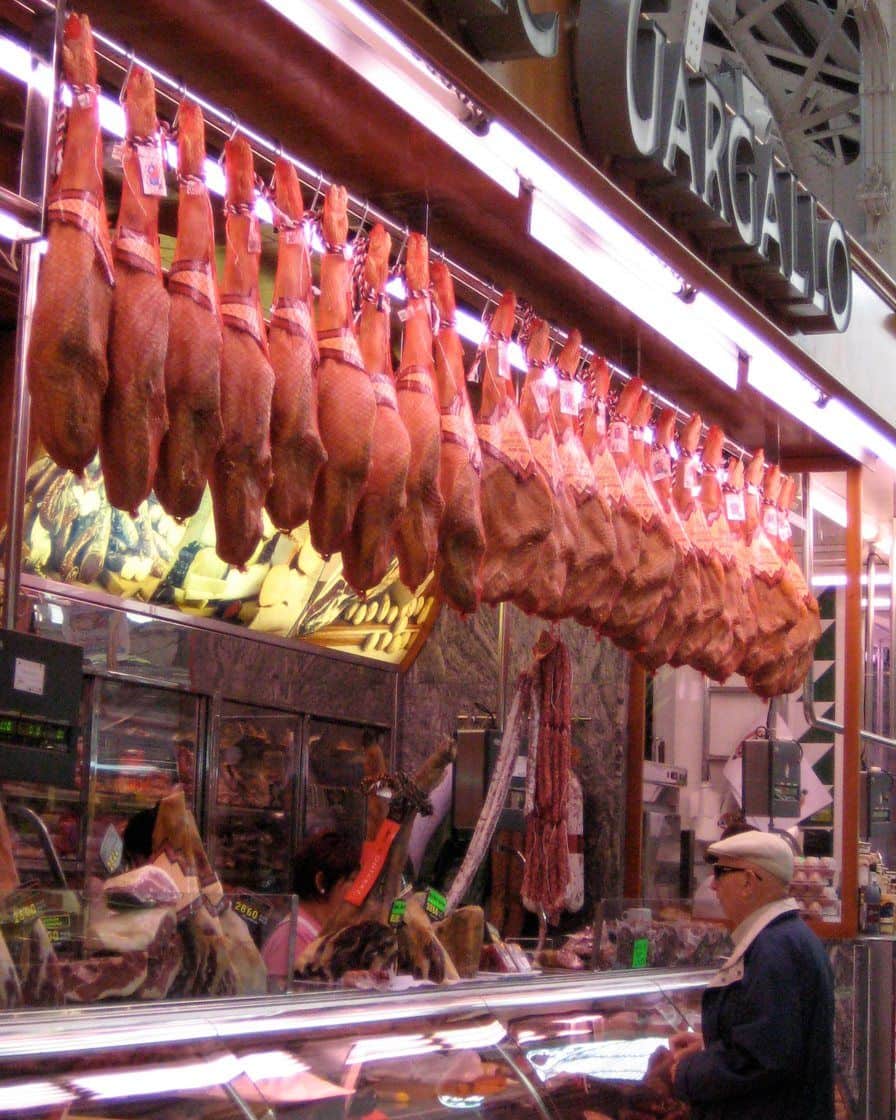
Photo: Phil Whitehouse from London, United Kingdom, CC BY 2.0, via Wikimedia Commons
How much does getting around cost?
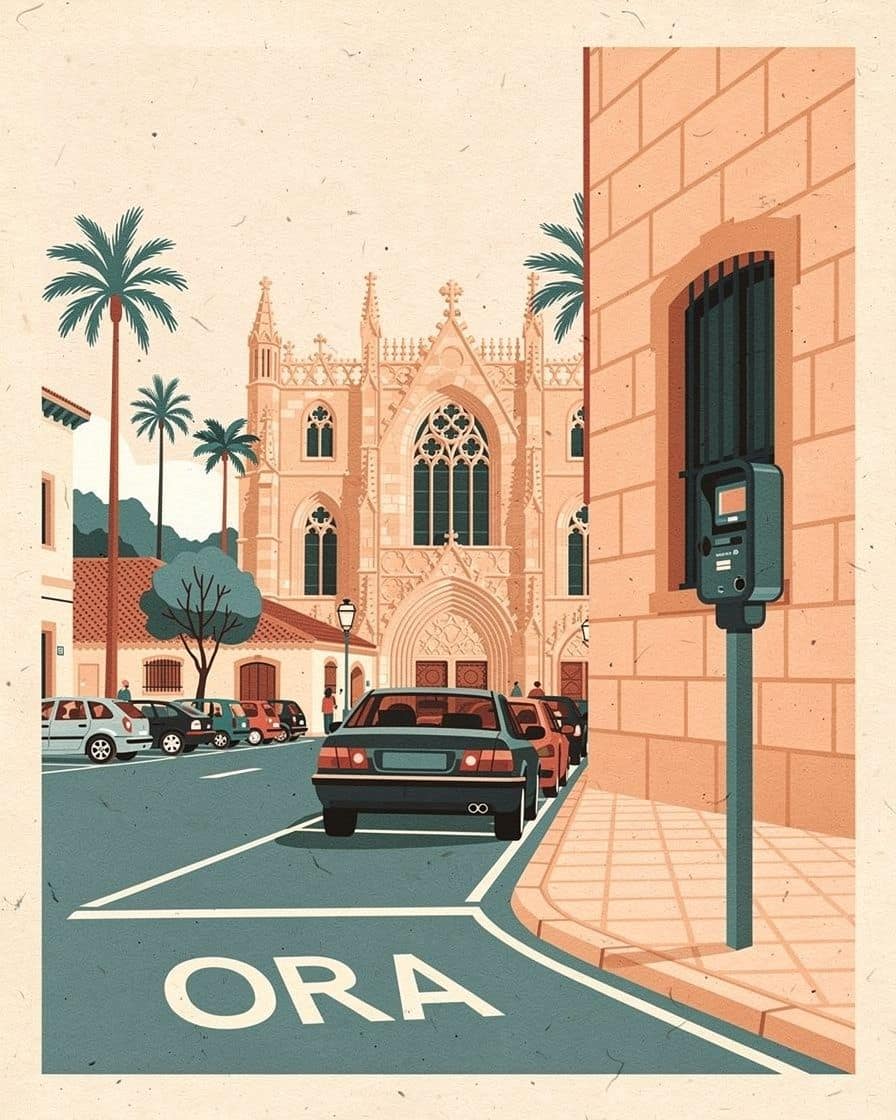
A single metro or EMT bus ticket costs €1.50 discounted, €2.00 without the discount, and a 10-journey bonobús pass comes to €4.25 discounted, €8.50 without the discount. Parking in the central blue zone costs €1.00 an hour, with a maximum of two hours at €1.70.
For two people making four public transport journeys a day, two full days come to around €12 to €20. If you hire a car, a private car park in the centre costs €18 to €30 a day on normal dates and €35 to €60 on peak days such as during Fallas.
How much does sightseeing cost?
The old town is free, apart from individual admissions such as the Cathedral. The City of Arts and Sciences has prices that vary widely by source and sales channel, already laid out in what to see in Valencia by day of the week: the Oceanogràfic ranges from €30.70 full price and €22.90 reduced to €40.50 full price and €30 reduced depending on the source, both from 2024.
The Fallas Museum costs between €0 and €3 depending on the day and the source, with free entry on public holidays disputed between city council sources and guides. Adding up hotel, transport and one big admission each, a weekend outside Fallas for two comes to around €320 to €450 with a three-star hotel; during Fallas week, with the same hotel, it rises to €550 to €1,050.
Those totals are for your time in Valencia only: flights from the UK, Ireland or elsewhere are not included, and our sources give no figures for them.
The item that soars in March is accommodation, not admissions: booking months ahead is the only thing that softens that jump from €60 to €500 a night. Compare hotels for your dates before prices climb further.
See hotels for the weekend →Affiliate link: booking through it supports the site at no extra cost to you.What is missing from this bill?
Food. None of the sources consulted publishes an average range for eating out over a weekend in Valencia, whether during Fallas or not. We know in general terms that prices rise in the most touristy areas during Fallas week, but without a citable figure with a year and a source, we won't invent one here.
Nor is there a public figure for the cost of stands or private balconies to watch the mascletà: the guides talk of "high" prices, with no scale. It is a gap in the information, not an oversight on this page, and it is worth knowing before you budget your trip.
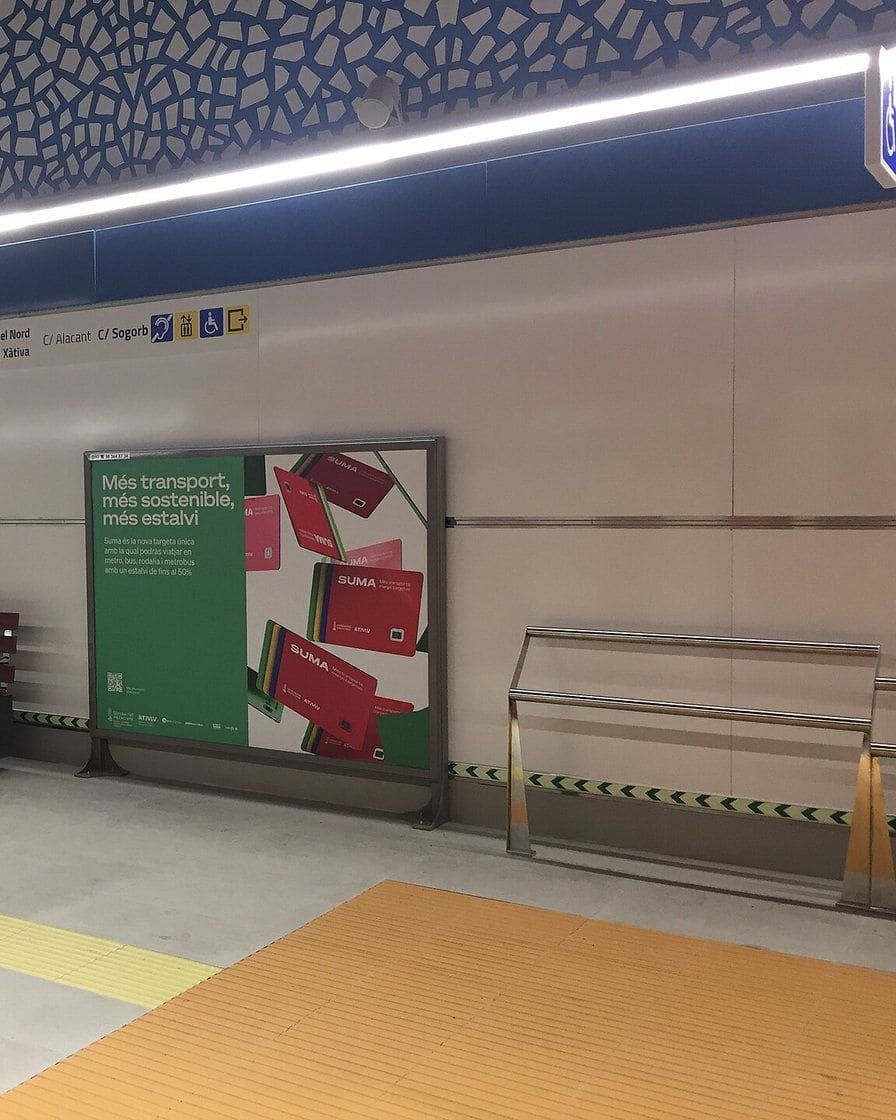
Photo: 19Tarrestnom65, CC BY-SA 4.0, via Wikimedia Commons
With no official figure for food or balconies, the only item you can lock in ahead is accommodation: booking early cuts the uncertainty in your total budget. Compare options for your weekend.
See accommodation for the Fallas →Affiliate link: booking through it supports the site at no extra cost to you.The hour-by-hour plan that goes with this budget is in things to do in Valencia this weekend. To get around with no fare surprises, getting around Valencia has the price of every ticket type.
Sources
Valencia Trip, Fallas accommodation guide, 2026. 7TV Valencia and Levante-EMV, March 2024, for average hotel prices. EMT and Metrovalencia, 2025 fares. ORA Valencia, zone regulations, 2025. Idealista, 25 September 2024, and Aprendizaje Viajero, 2024, for City of Arts and Sciences prices.
Frequently asked questions
How much more does a hotel cost on a Fallas weekend?
How much does it cost to get around Valencia for a weekend?
How much does it cost to see the old town and one big museum?
How much does eating out cost over a weekend in Valencia?
Pau Escrivà
Pau covered the old Turia riverbed every day for years, first running and then by bike. He measures his routes by GPS and publishes the real elevation changes. When a route is overrated, he says so and suggests another.